Brake System Analysis & Repair
Your safety on the road depends on properly functioning brakes. Our certified technicians perform comprehensive brake system diagnostics and expert repairs — because we believe every driver deserves confidence behind the wheel.
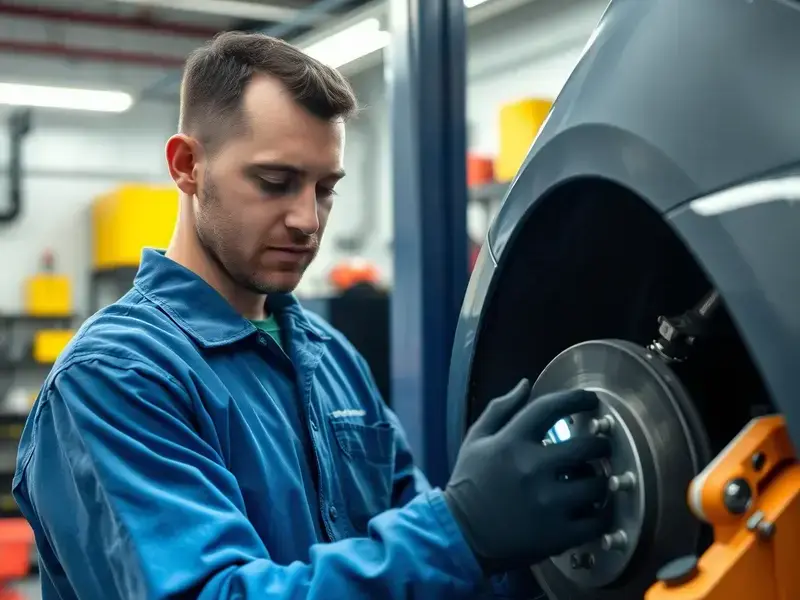
Why Your Brakes Need Expert Attention
Brake systems are complex safety components that require regular inspection and timely maintenance. Warning signs like squealing, grinding, vibrations, or a spongy pedal shouldn't be ignored — they often indicate problems that worsen over time and can compromise your safety.
At C & J Auto Repair, we don't just replace brake pads. Our comprehensive brake system analysis checks every component: pads, rotors, calipers, hydraulic lines, ABS sensors, and brake fluid. This thorough approach means we identify the root cause of any issue and recommend only the repairs you actually need.
Modern vehicles have sophisticated anti-lock braking systems (ABS) that require specialized diagnostic equipment. Our shop invests in the latest technology to accurately diagnose ABS warning lights and electronic brake system faults — something many general repair shops can't handle properly.
- Comprehensive inspection of all brake components
- ABS system diagnostics with dealer-grade scanners
- Free brake inspection with any service
- Upfront pricing before any work begins
Our Brake Services
From routine inspections to complete brake system overhauls, we handle it all with precision and care.
Brake Inspection
Complete 20-point inspection including pad thickness, rotor condition, caliper operation, and fluid level. We provide a detailed written report of all findings.
Free with any brake service
Brake Pad Replacement
Quality ceramic or semi-metallic pads installed by certified technicians. Includes resurfacing or replacement of rotors if necessary for optimal performance.
Per axle, parts included
Rotor Service
Precision rotor resurfacing to manufacturer specifications, or replacement with premium quality rotors. We measure thickness to ensure safe operation.
Per rotor
Brake Fluid Service
Complete brake fluid flush and replacement with DOT 4 fluid. Removes moisture and contaminants that can reduce braking efficiency and cause corrosion.
Includes fluid disposal
Caliper Service
Caliper inspection, lubrication, and seal replacement. We repair or replace sticking or frozen calipers that cause uneven braking or drag.
Per caliper, parts extra
ABS Diagnostics
Advanced diagnostic scan for ABS warning lights. We read fault codes, test sensors and modules, and repair electronic brake system issues.
Scan fee applied to repairs
Our Brake Service Process
We follow a systematic approach to ensure your brakes are serviced correctly the first time.
Initial Assessment
We start by discussing any symptoms you've noticed and reviewing your vehicle's service history. This helps us focus our inspection efficiently.
Complete Inspection
Our technicians perform a comprehensive inspection of all brake components, measuring pad thickness, rotor wear, and checking hydraulic and electronic systems.
Detailed Quote
You receive a written estimate clearly explaining what needs attention, why, and the exact cost. We only proceed with your approval.
Expert Repair
Our certified technicians perform all work using quality parts and precise techniques. We reassemble components to manufacturer specifications.
Quality Test
We road-test your vehicle to verify proper brake function and ensure the pedal feel is correct before returning your vehicle.
Warning Signs You Need Brake Service
Your vehicle communicates problems through various symptoms. Here are the most common signs that your brake system needs attention:
Squealing or Grinding
High-pitched squealing often indicates worn pads. Grinding suggests metal-on-metal contact, which damages rotors and is unsafe.
Soft or Spongy Pedal
A pedal that sinks to the floor or feels mushy may indicate air in the lines or a fluid leak. This is a safety concern.
Vehicle Pulling
If your car pulls to one side when braking, it could indicate a stuck caliper, uneven pad wear, or contaminated brake fluid.
Steering Wheel Vibration
Warped rotors cause pulsation through the steering wheel. This affects stopping distance and ride comfort.
Dashboard Warning Lights
ABS or brake warning lights indicate electronic or hydraulic system faults that require professional diagnosis.
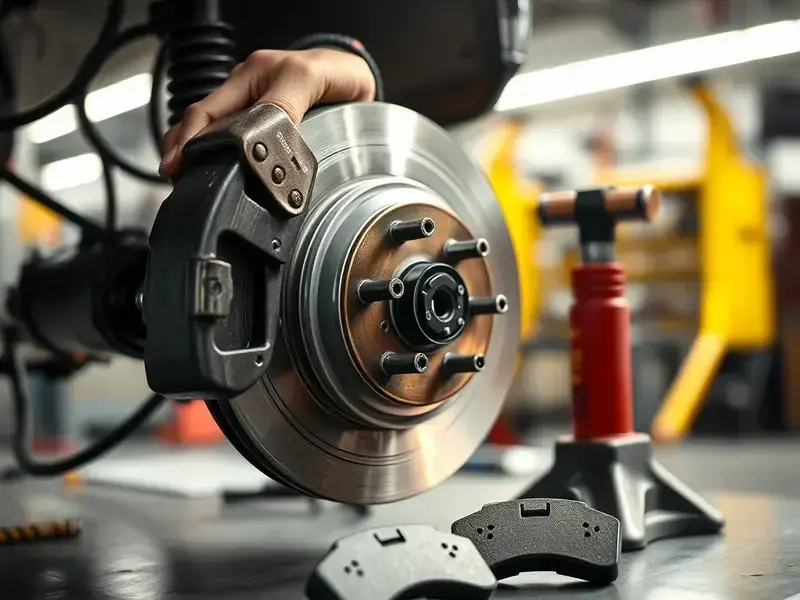
Frequently Asked Questions
Get answers to common questions about brake service and maintenance.
We recommend a professional brake inspection every 12 months or 12,000 miles, whichever comes first. However, you should have them checked immediately if you notice any warning signs like squealing, grinding, or changes in pedal feel. Vehicles driven in heavy traffic, mountainous areas, or with frequent towing may need more frequent inspections.
Ceramic pads are quieter, produce less dust, and typically last longer than semi-metallic pads. They're gentler on rotors and work well for everyday driving. Semi-metallic pads offer better performance in extreme conditions and dissipate heat more effectively, making them suitable for performance driving or heavy vehicles. We can recommend the best option for your driving style and budget.
Rotors can often be resurfaced if they're within manufacturer thickness specifications and have even wear patterns. However, rotors that are warped, cracked, excessively worn, or have hot spots should be replaced for safety. We'll measure your rotors and give you honest recommendations based on their condition, not just to sell unnecessary parts.
New brake pads need a break-in period where they seat against the rotor surface. During this time (typically 100-200 miles), you might notice slightly different pedal feel. Additionally, if we flushed your brake fluid, removing air bubbles can change pedal feel. If the pedal feels dangerously soft or goes to the floor, return immediately for inspection.
Brake pulsation is usually caused by warped rotors, which create uneven thickness that the brake pads can't contact smoothly. Warping can occur from excessive heat (hard braking, descending mountains), improper installation, or material defects. In some cases, uneven caliper function or stuck slides can cause similar symptoms. Our diagnosis will identify the exact cause.
Don't Wait Until It's Too Late
Brake problems don't get better on their own — they only get more expensive and more dangerous. If you're experiencing any brake issues or it's been a while since your last inspection, schedule an appointment today.